


$15.50
Currently unavailable
or 4 interest-free payments with 
 Flood Test Balloon
$28.00
Flood Test Balloon
$28.00
 ACTFLEX 400 CLEAR Waterproofing Membrane
$66.00
ACTFLEX 400 CLEAR Waterproofing Membrane
$66.00
 Innovative Tools 230mm FC Sheeting Puddle Flange Recess Kit
$504.00
Innovative Tools 230mm FC Sheeting Puddle Flange Recess Kit
$504.00
 Soudal T-Rex Crystal
$17.85
Soudal T-Rex Crystal
$17.85
 Puddle Pro 90mm Puddle Flange
$15.00
Puddle Pro 90mm Puddle Flange
$15.00
 Puddle Pro 100mm Puddle Flange
$15.00
Puddle Pro 100mm Puddle Flange
$15.00
 BAT Spike Roller 21mm x 500mm
$55.00
BAT Spike Roller 21mm x 500mm
$55.00
 Actnow 100mm Rubber Puddle Flange
$12.00
Actnow 100mm Rubber Puddle Flange
$12.00
Cart
0Your cart is empty
Let's get your project sorted - start with a system below.

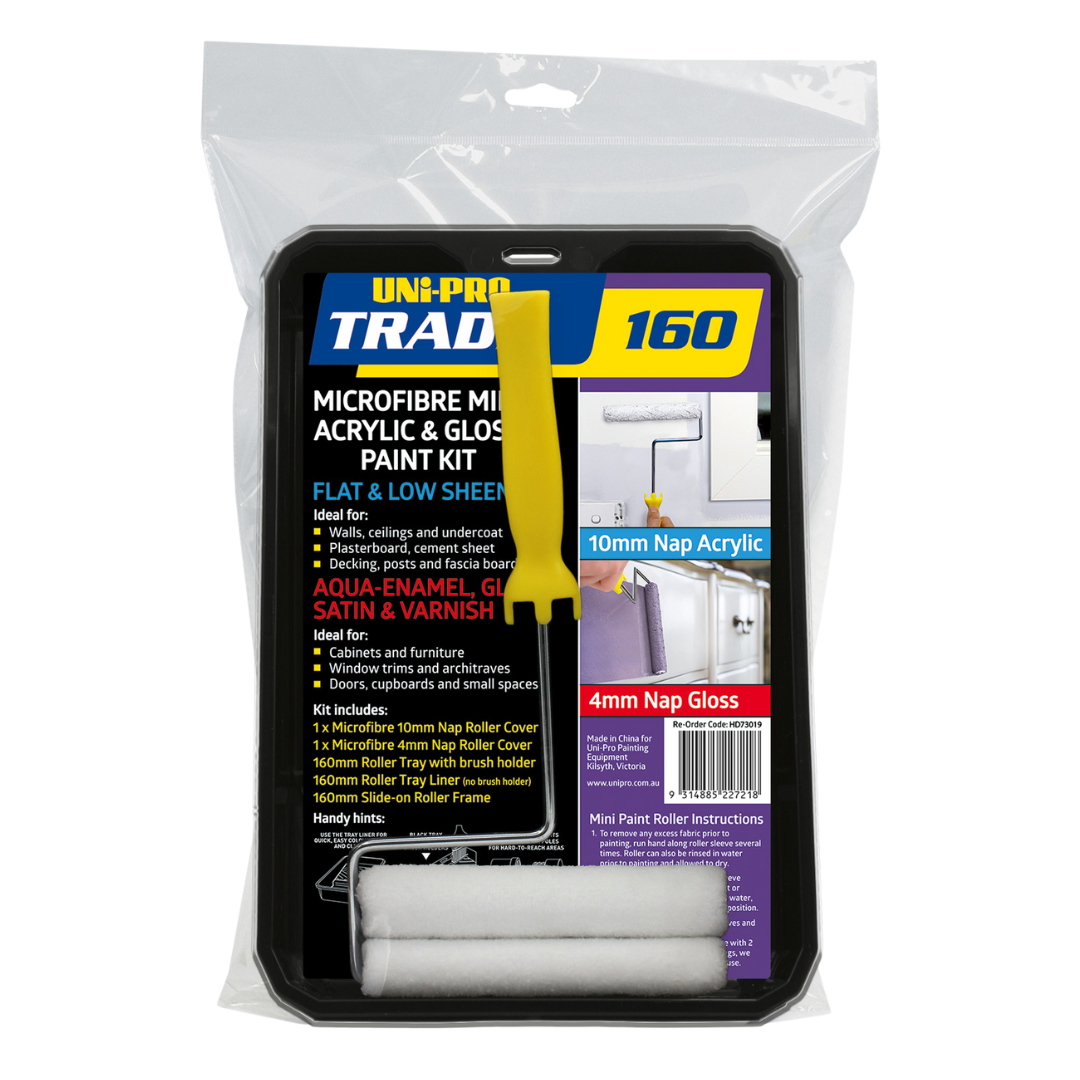
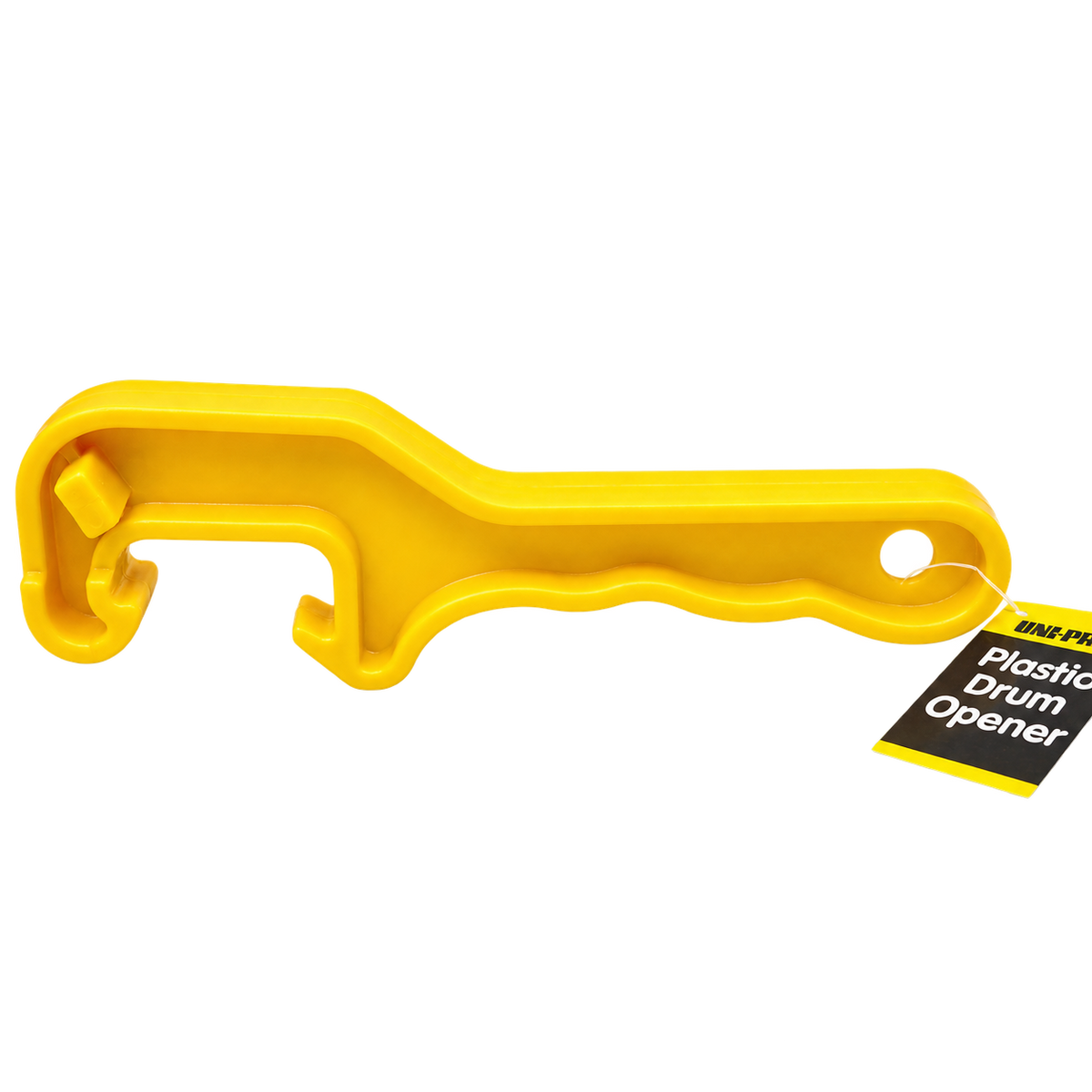
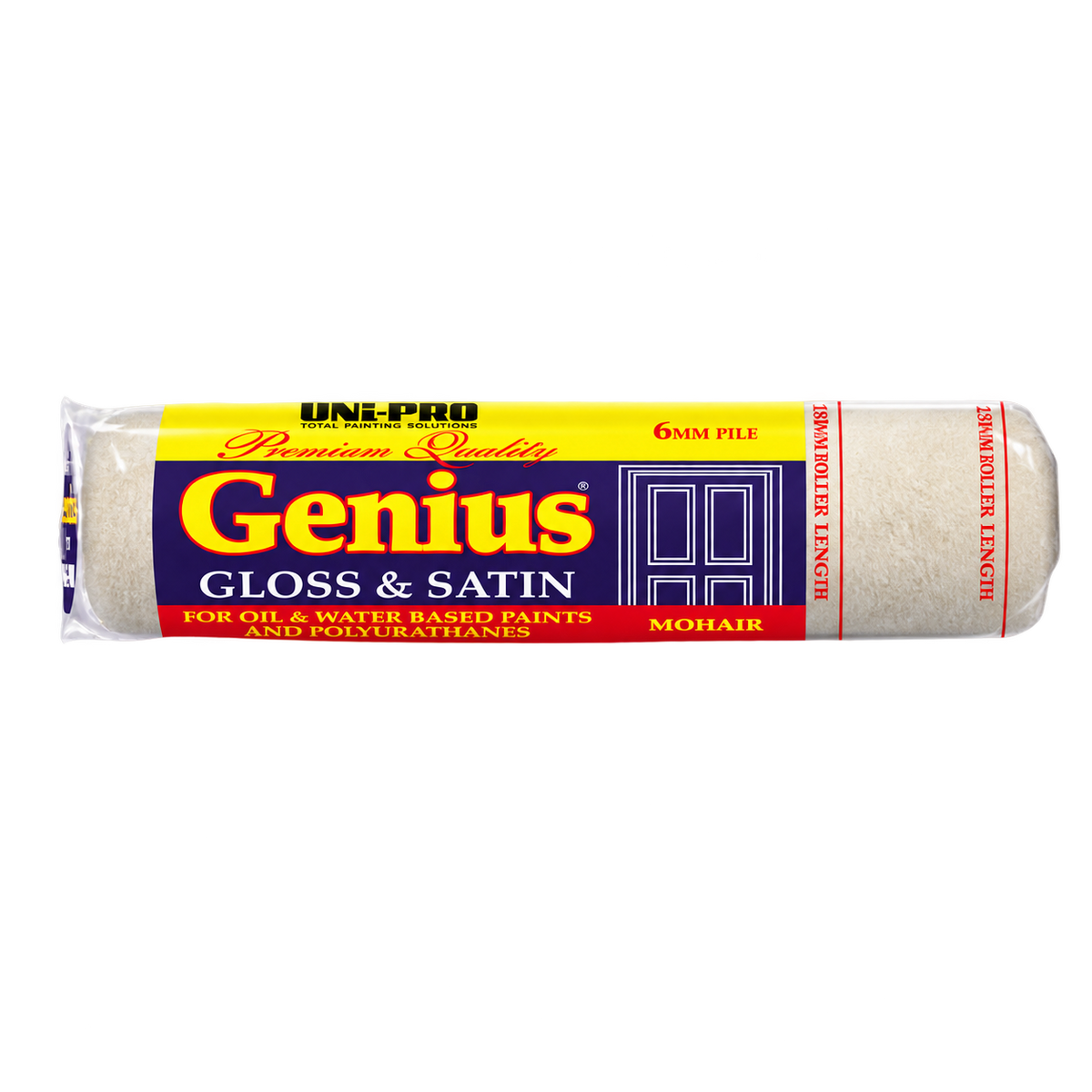
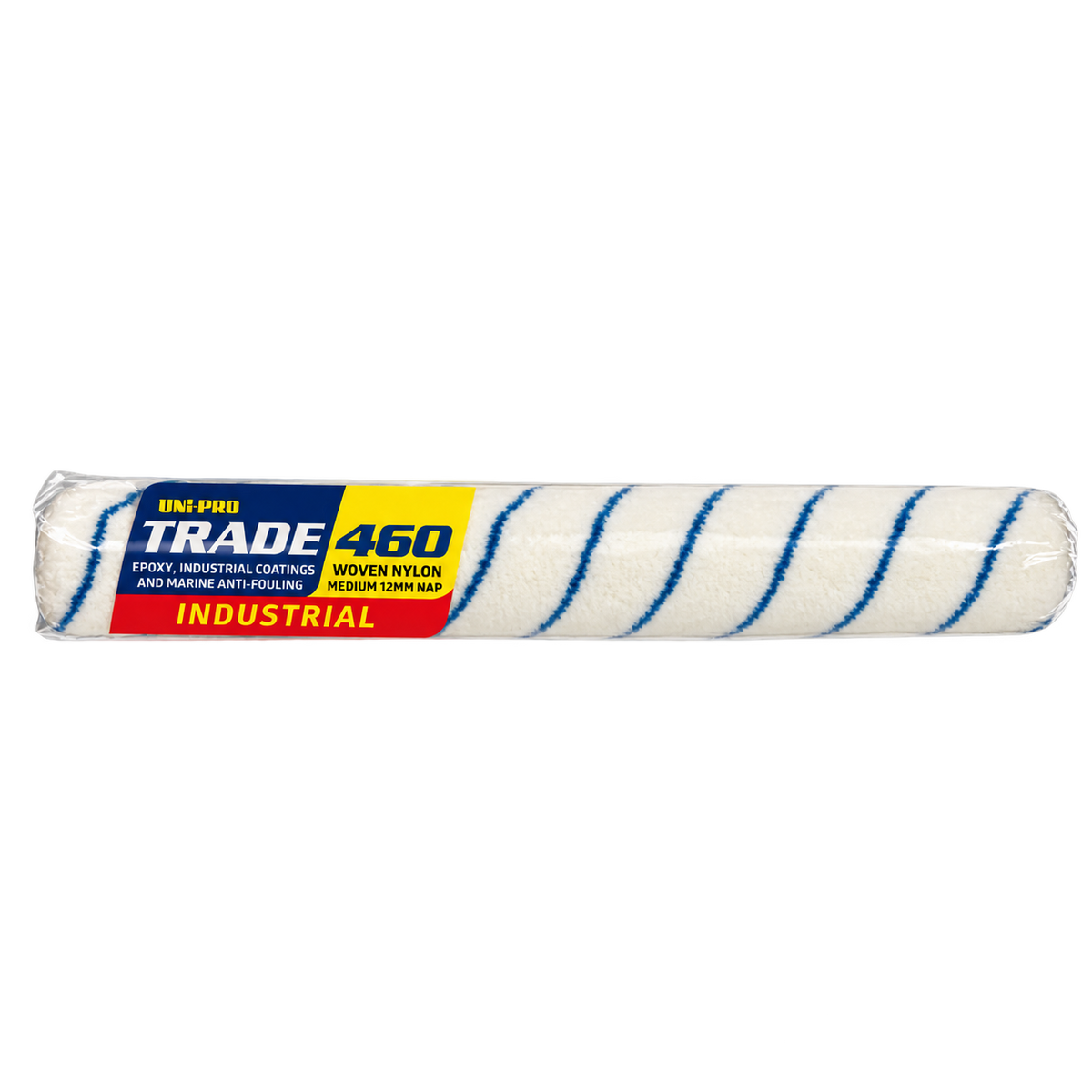
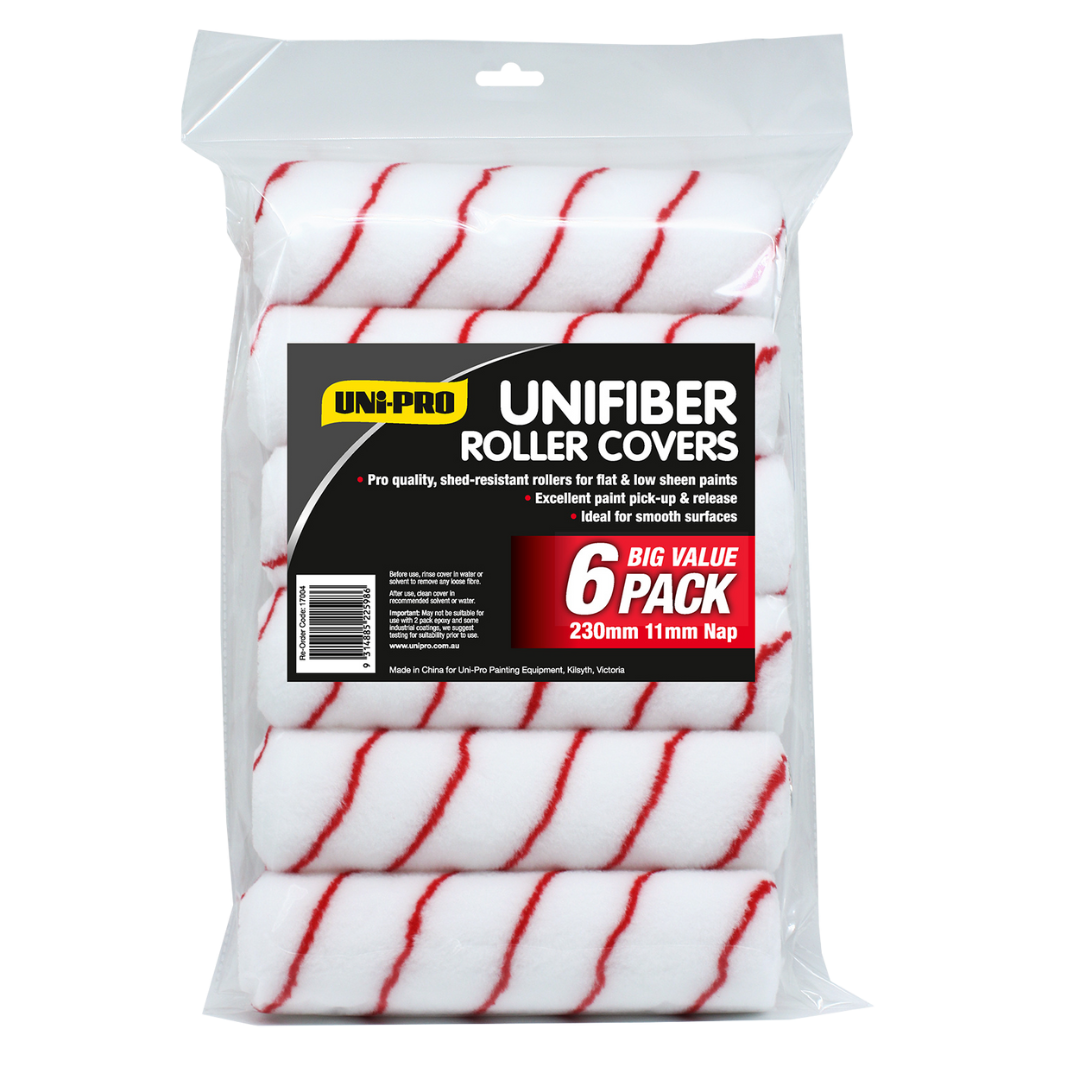
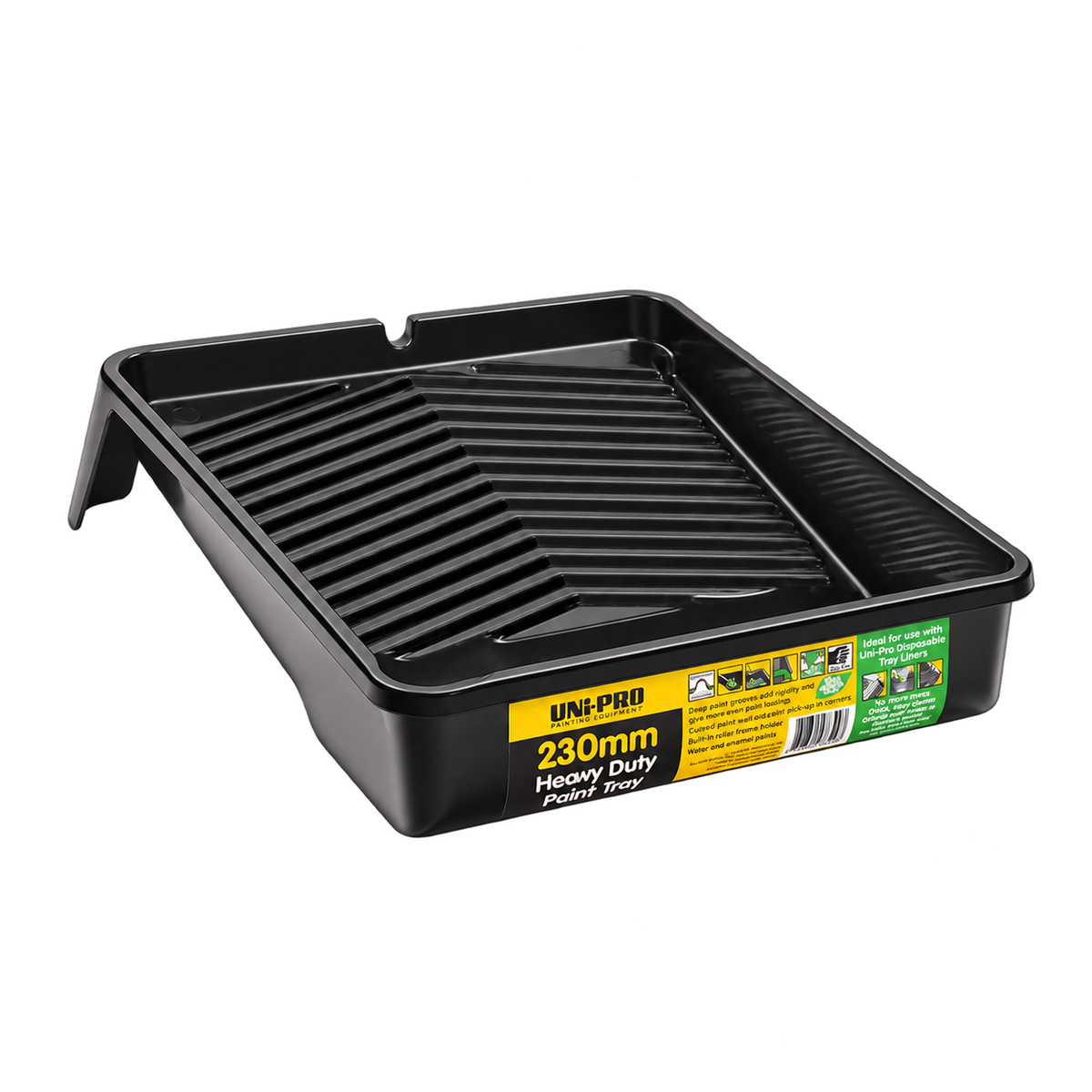
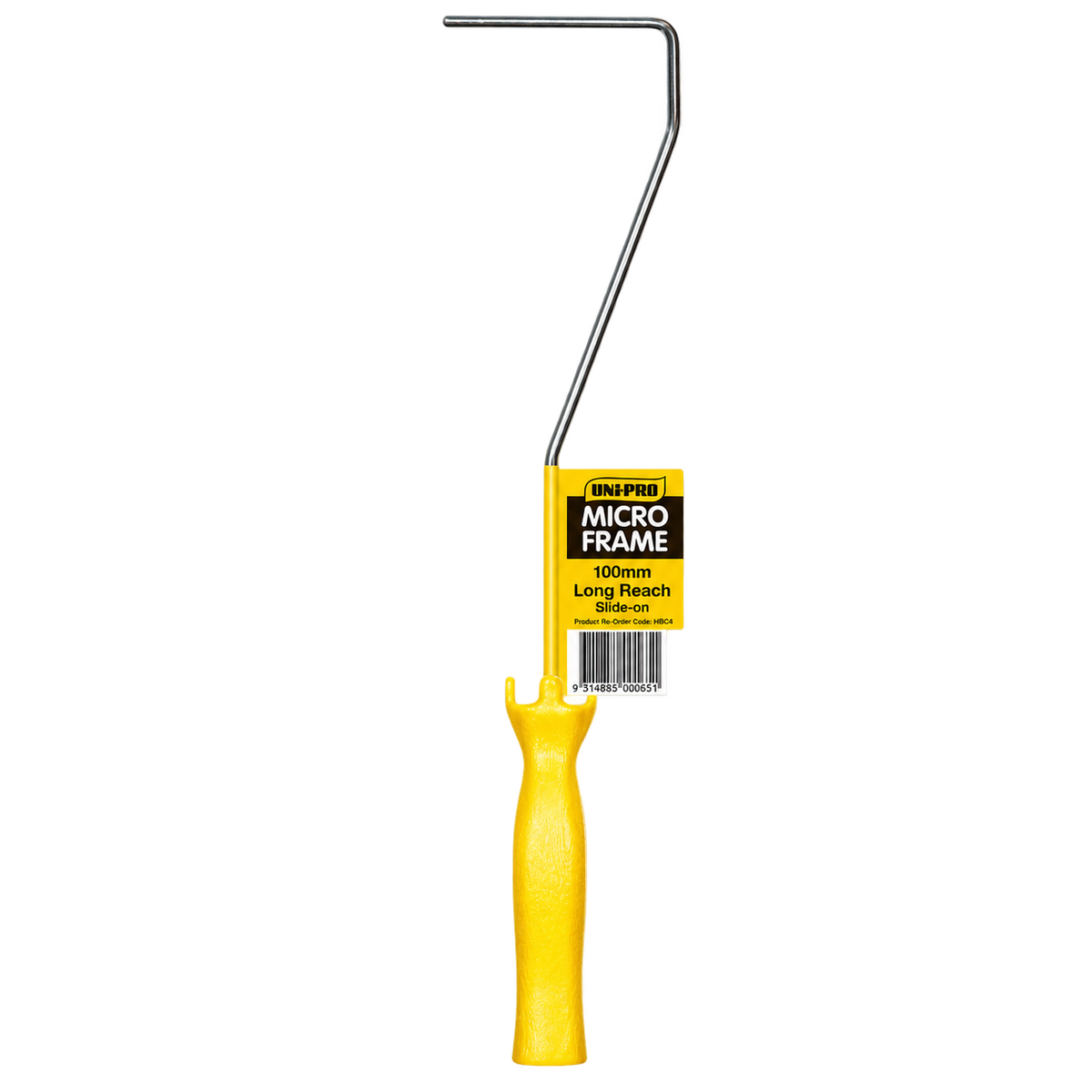
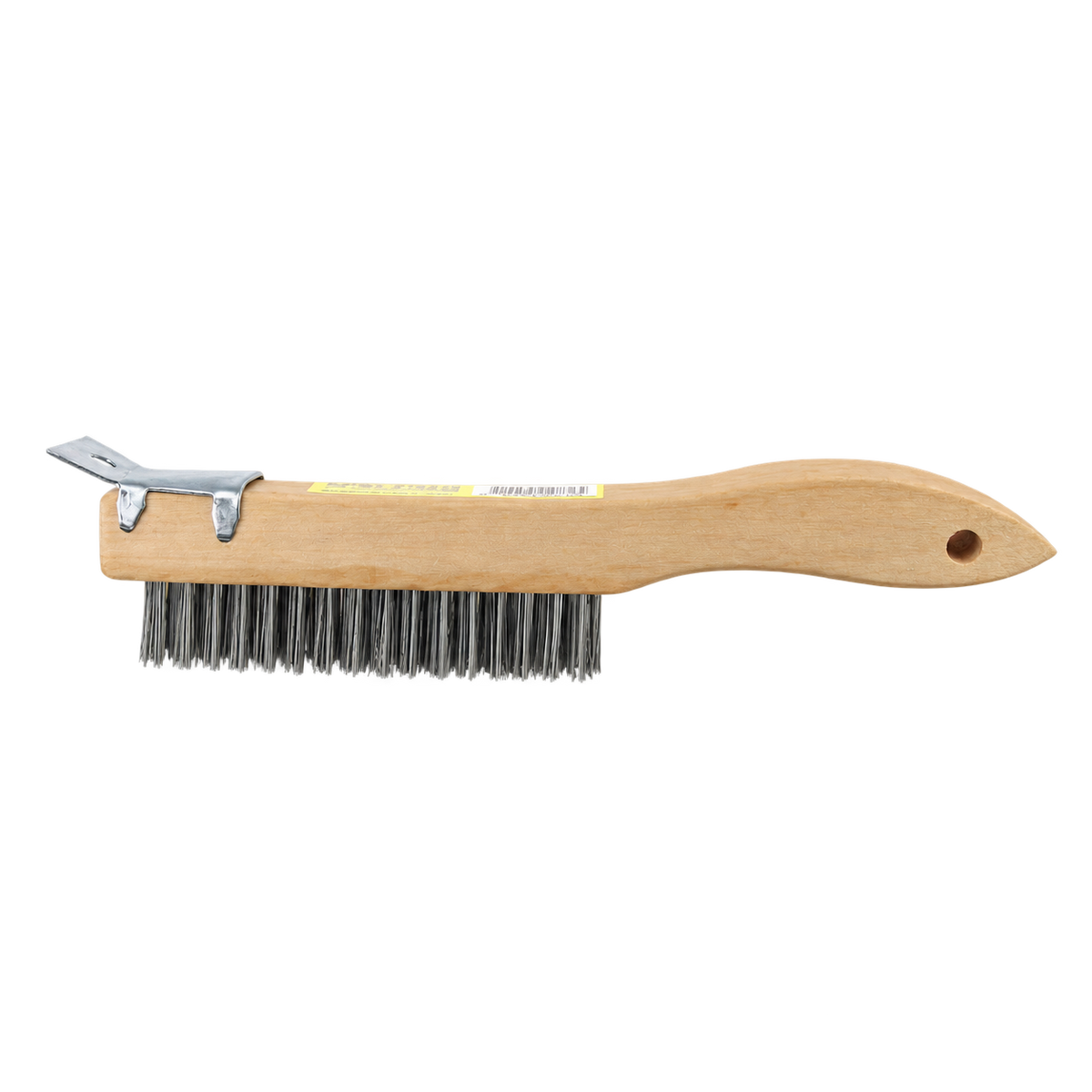
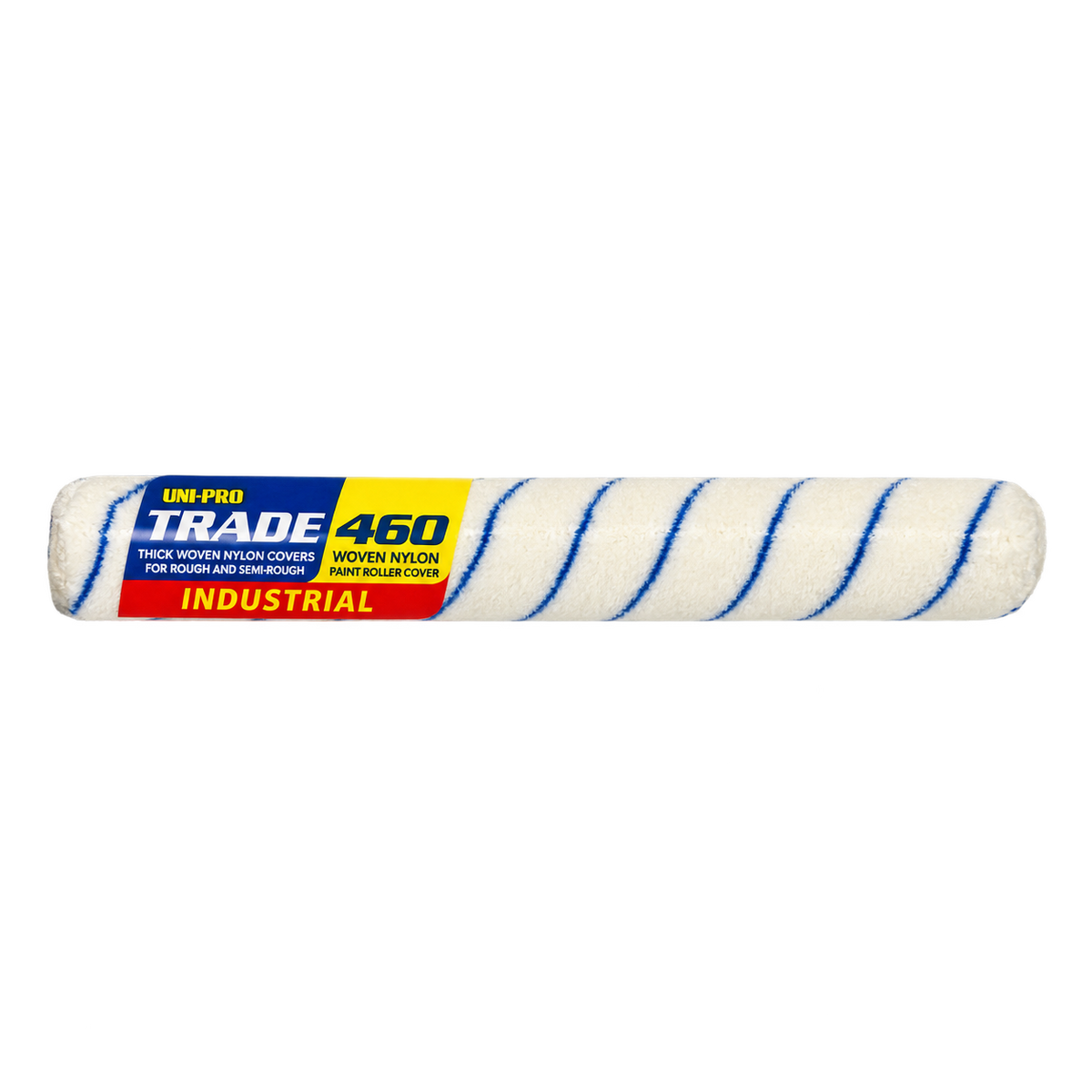
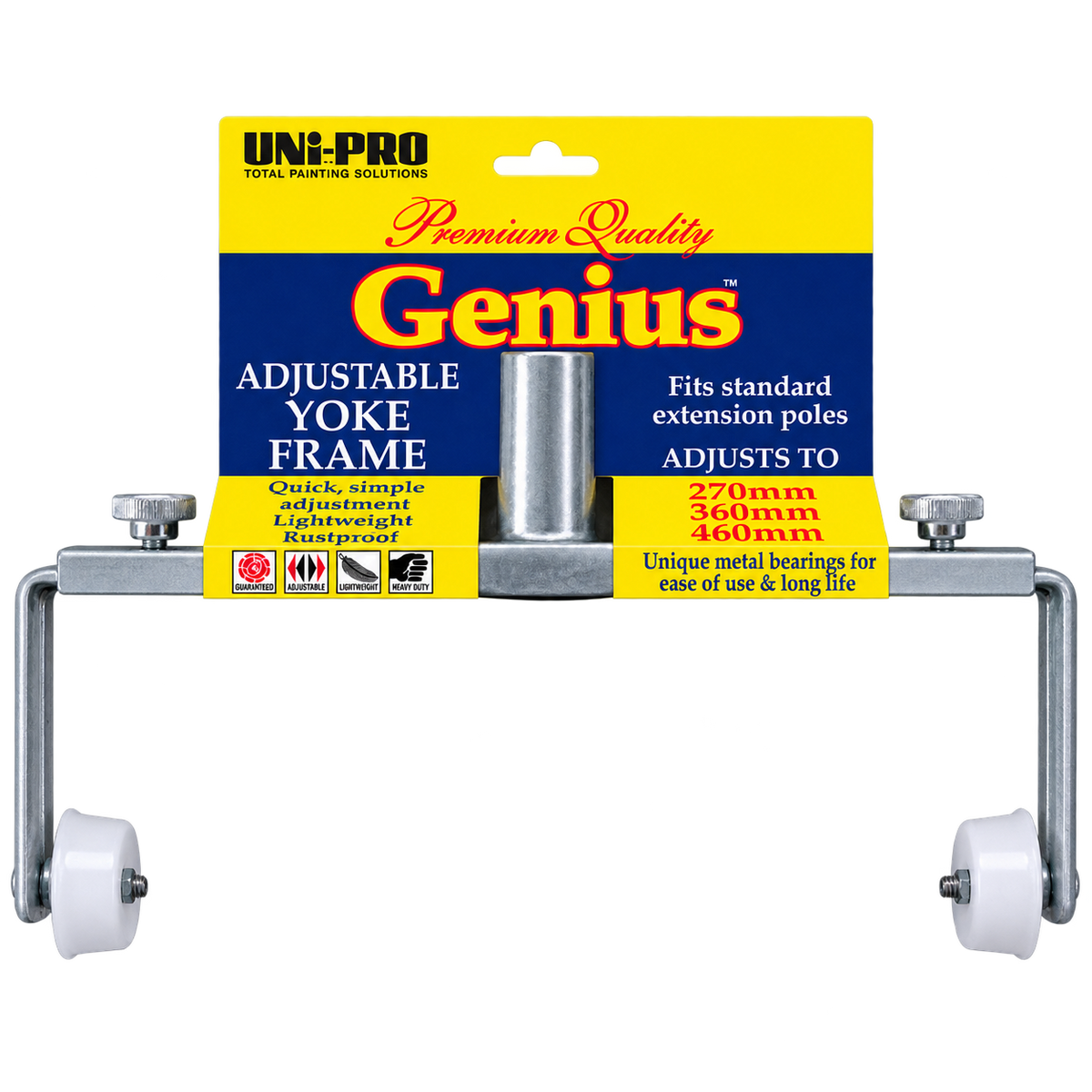
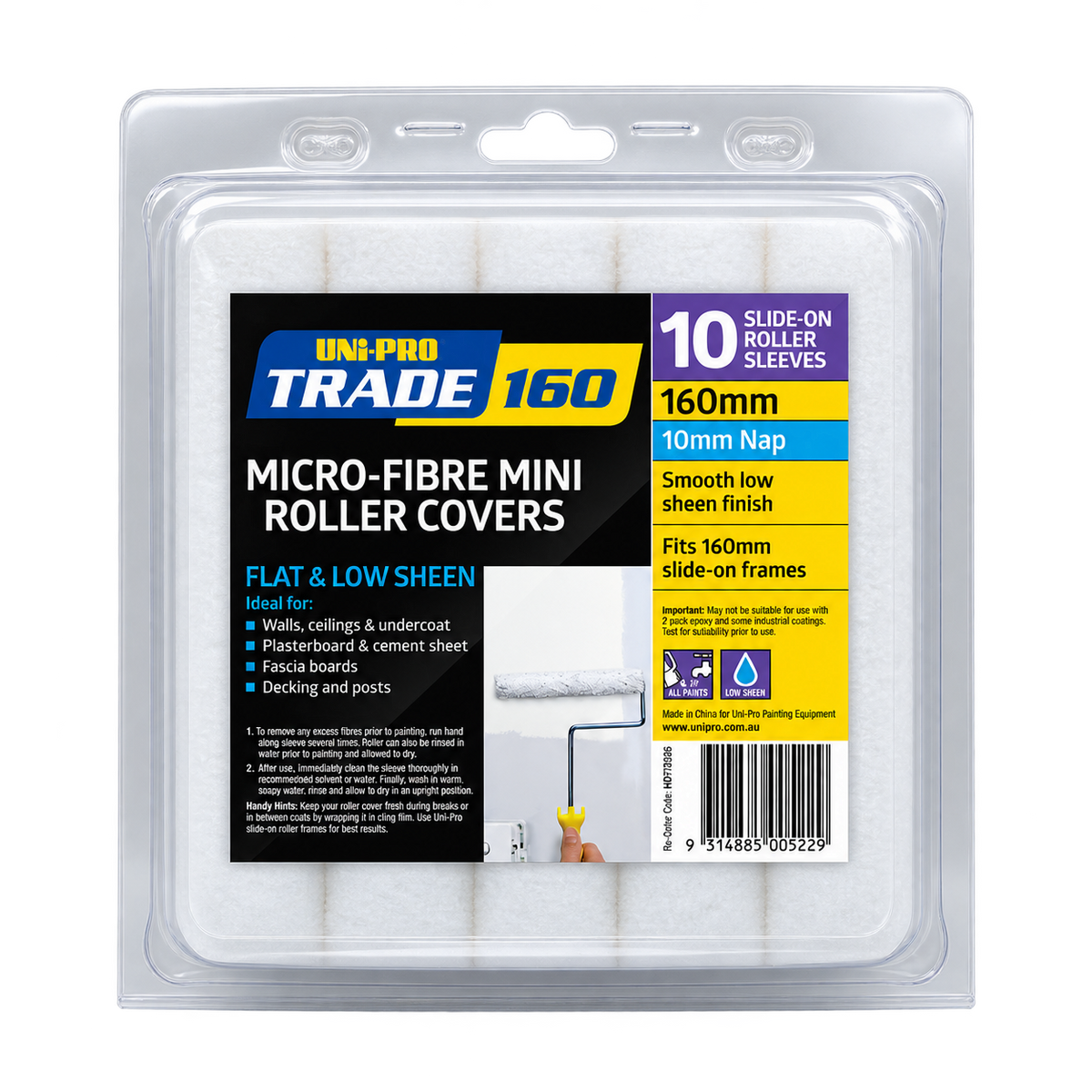
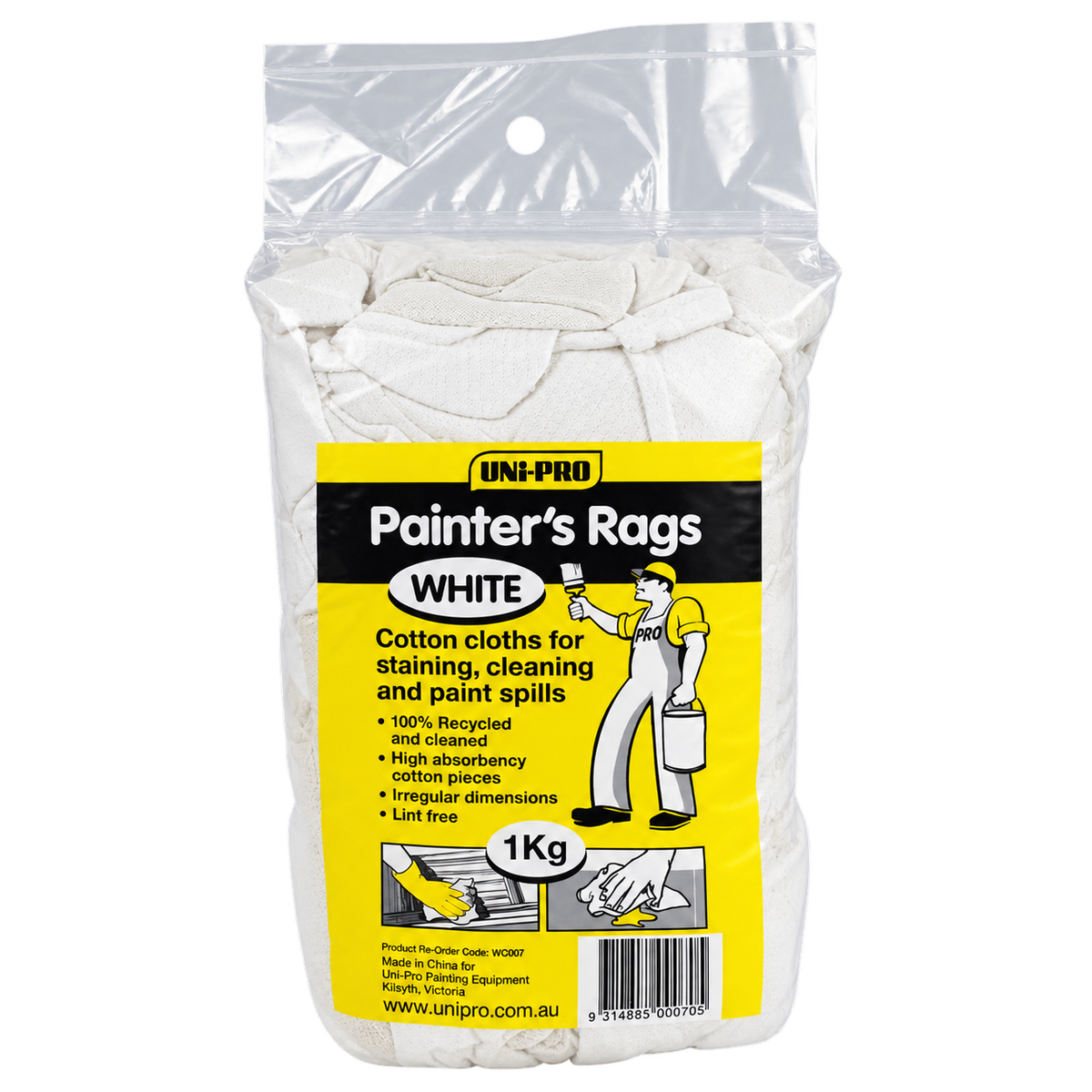
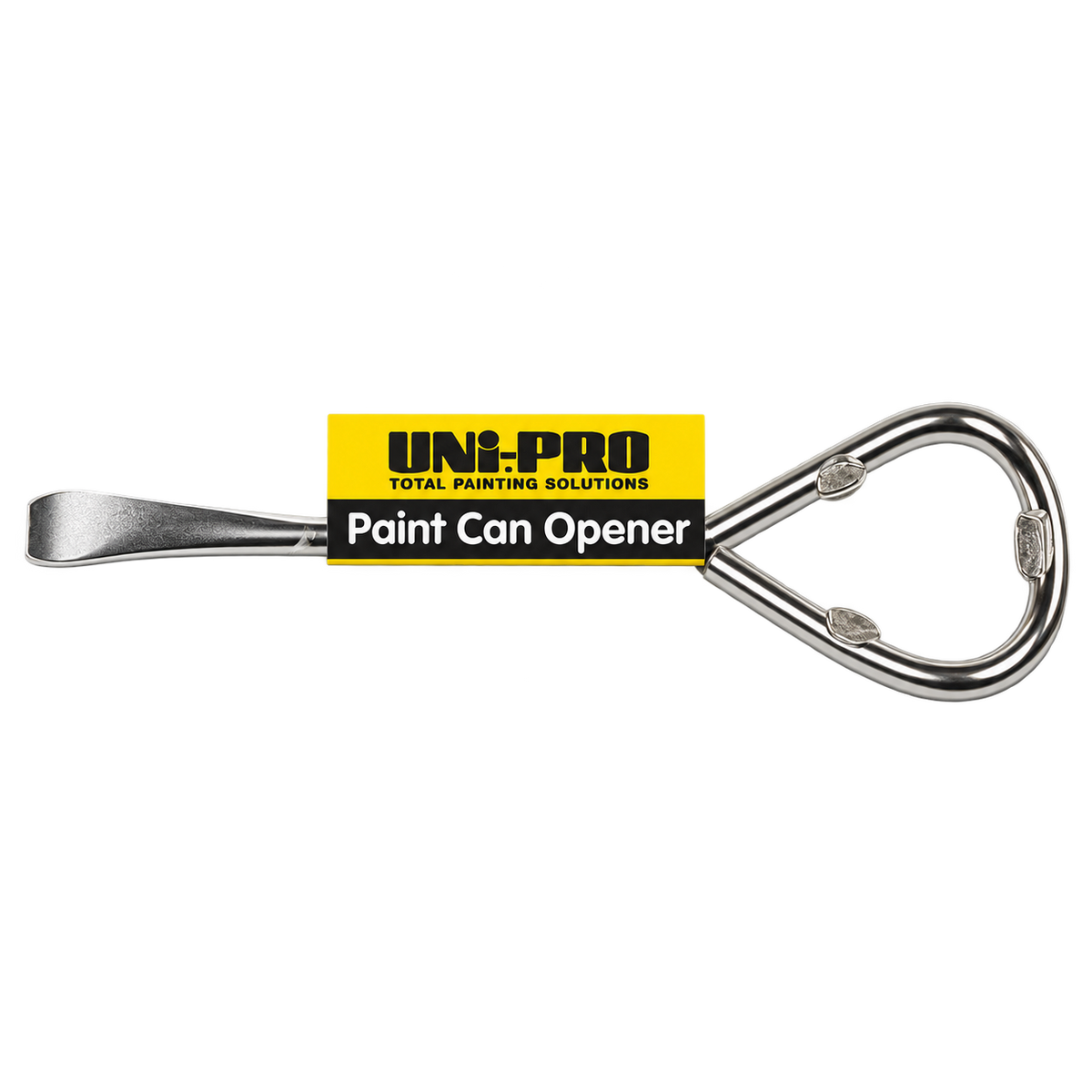
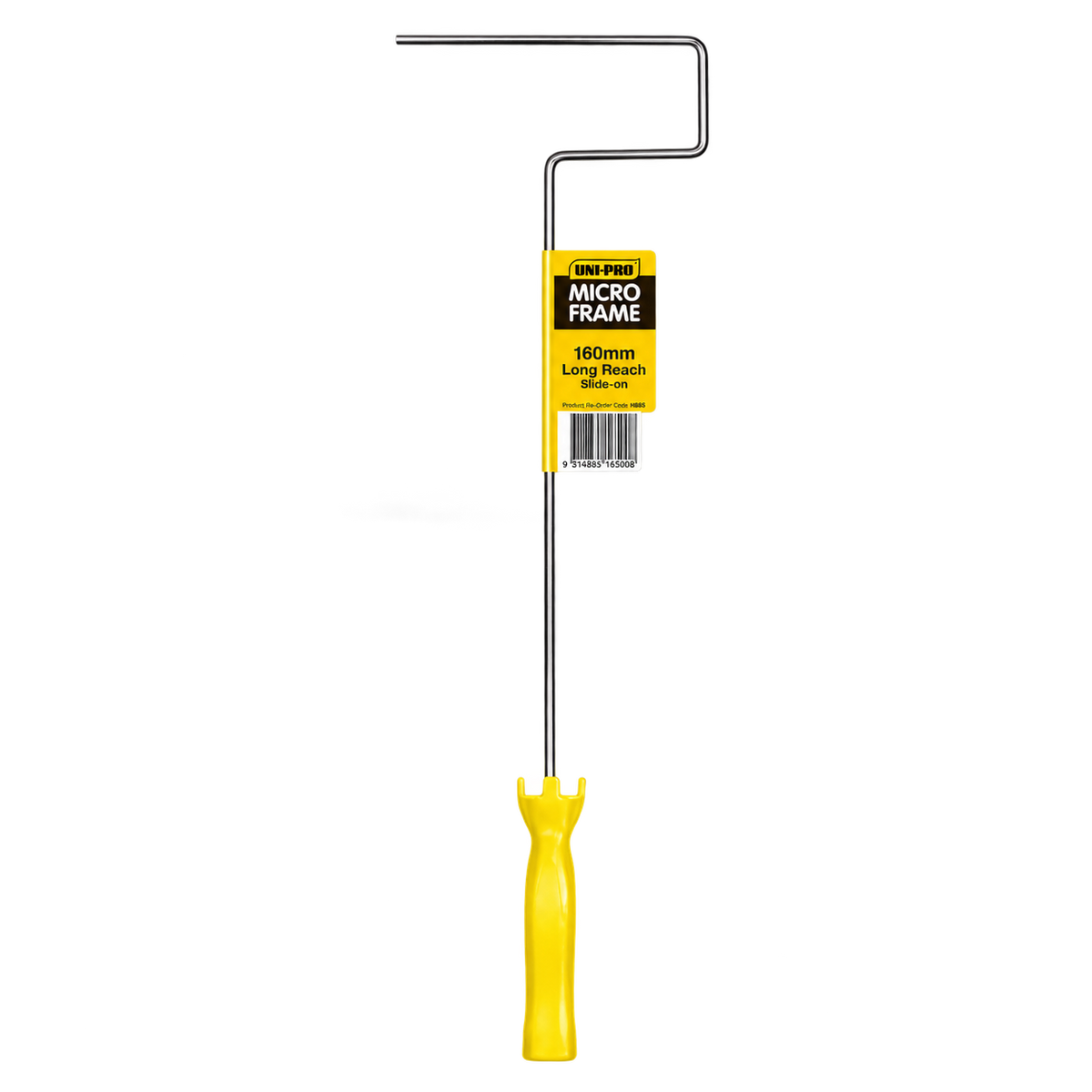
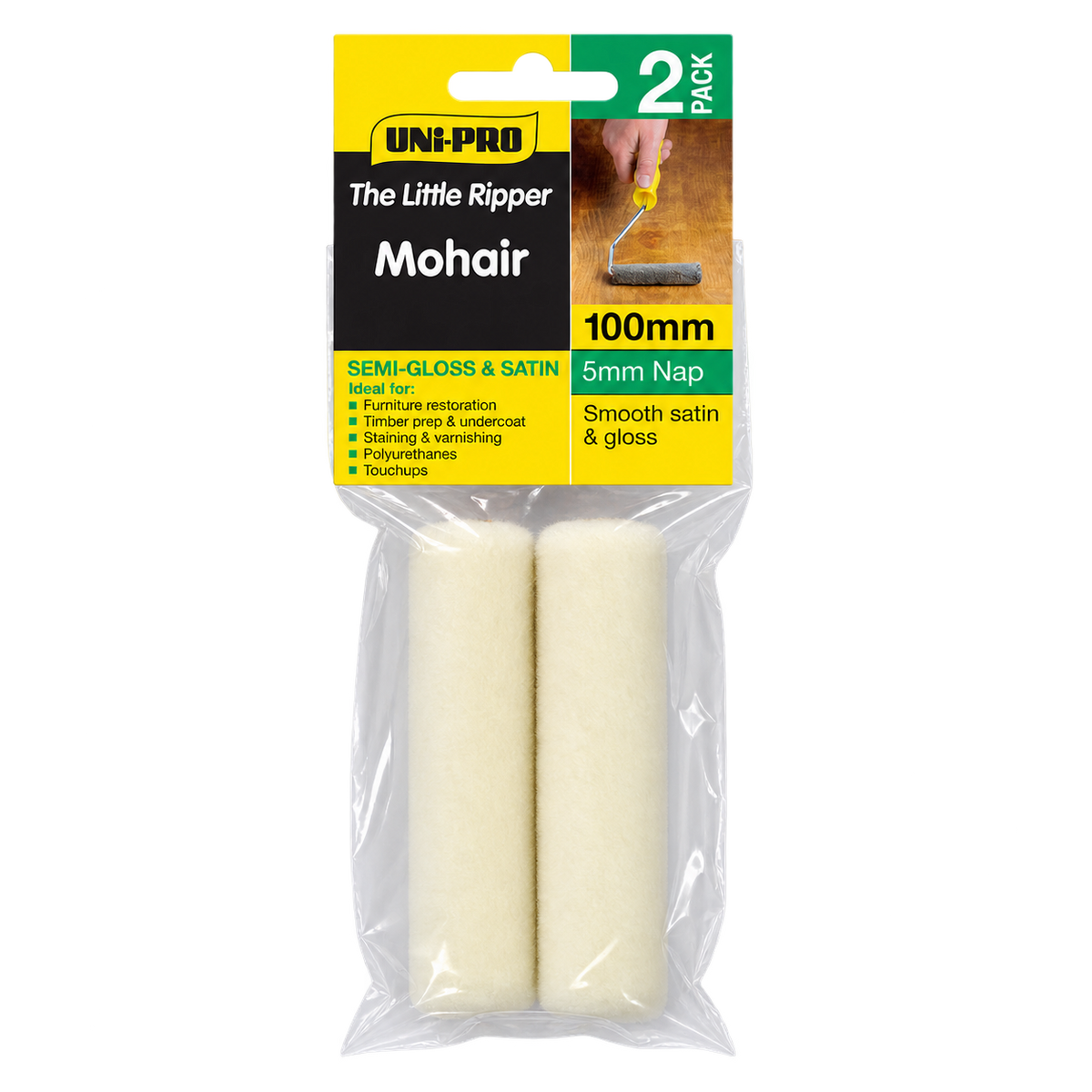
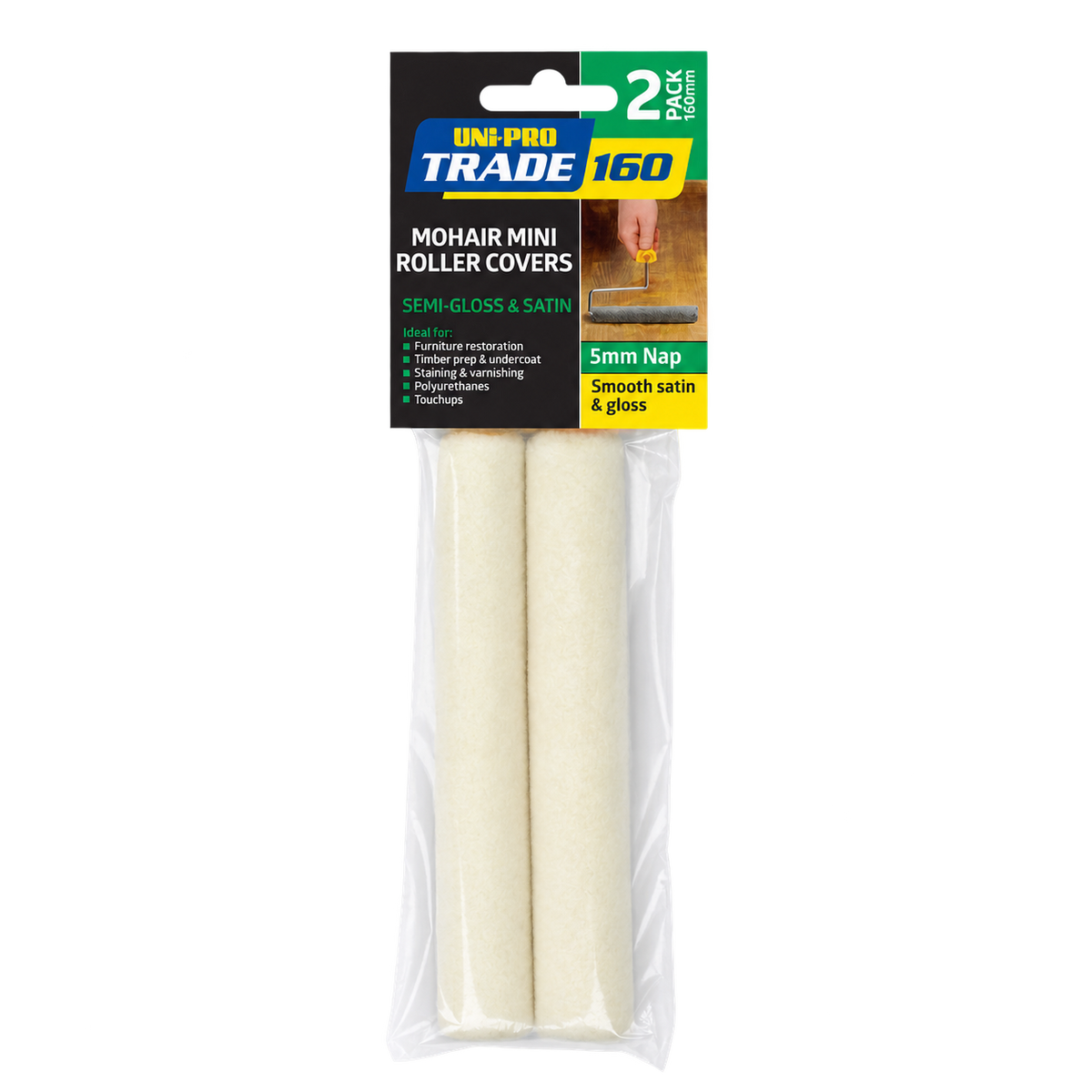
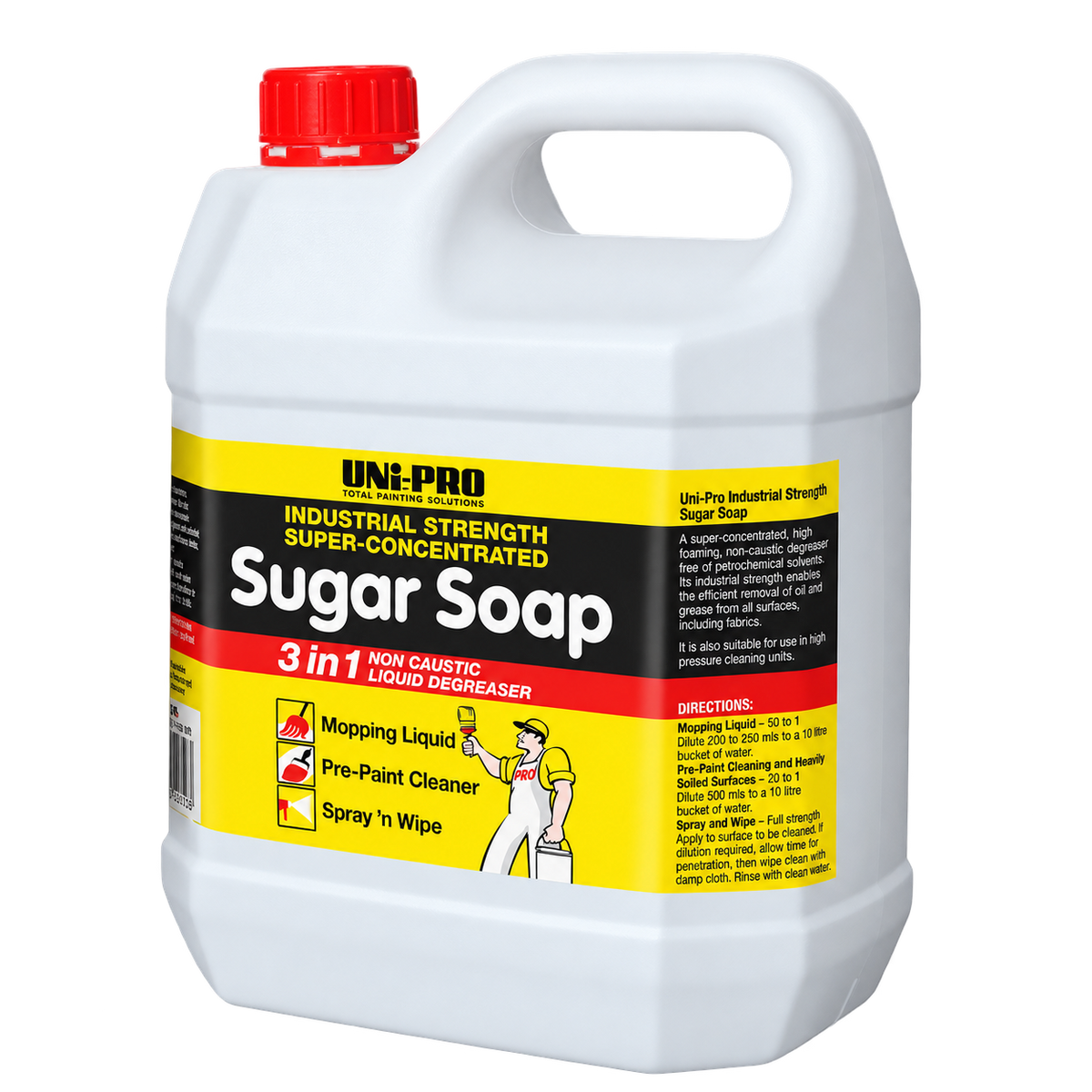
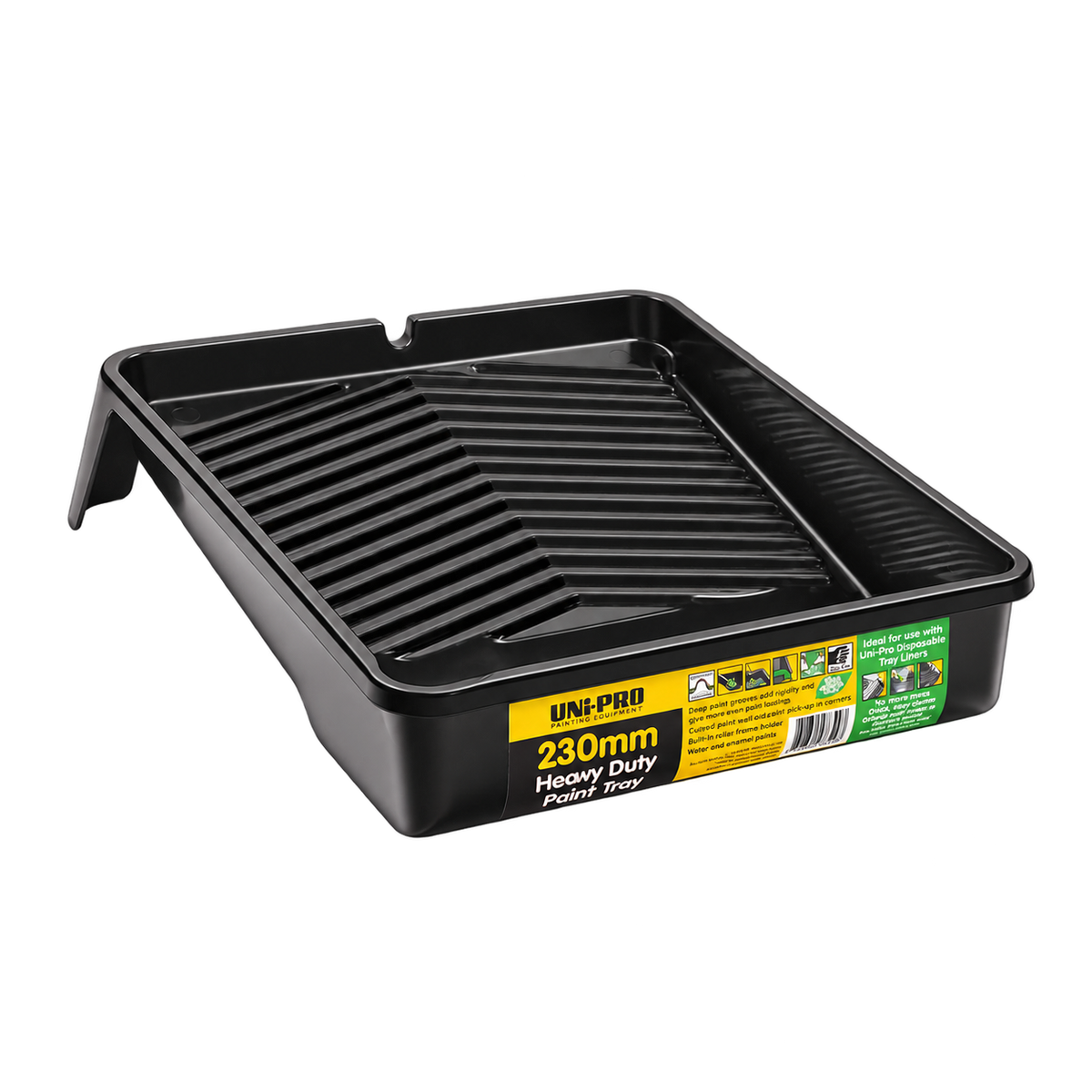
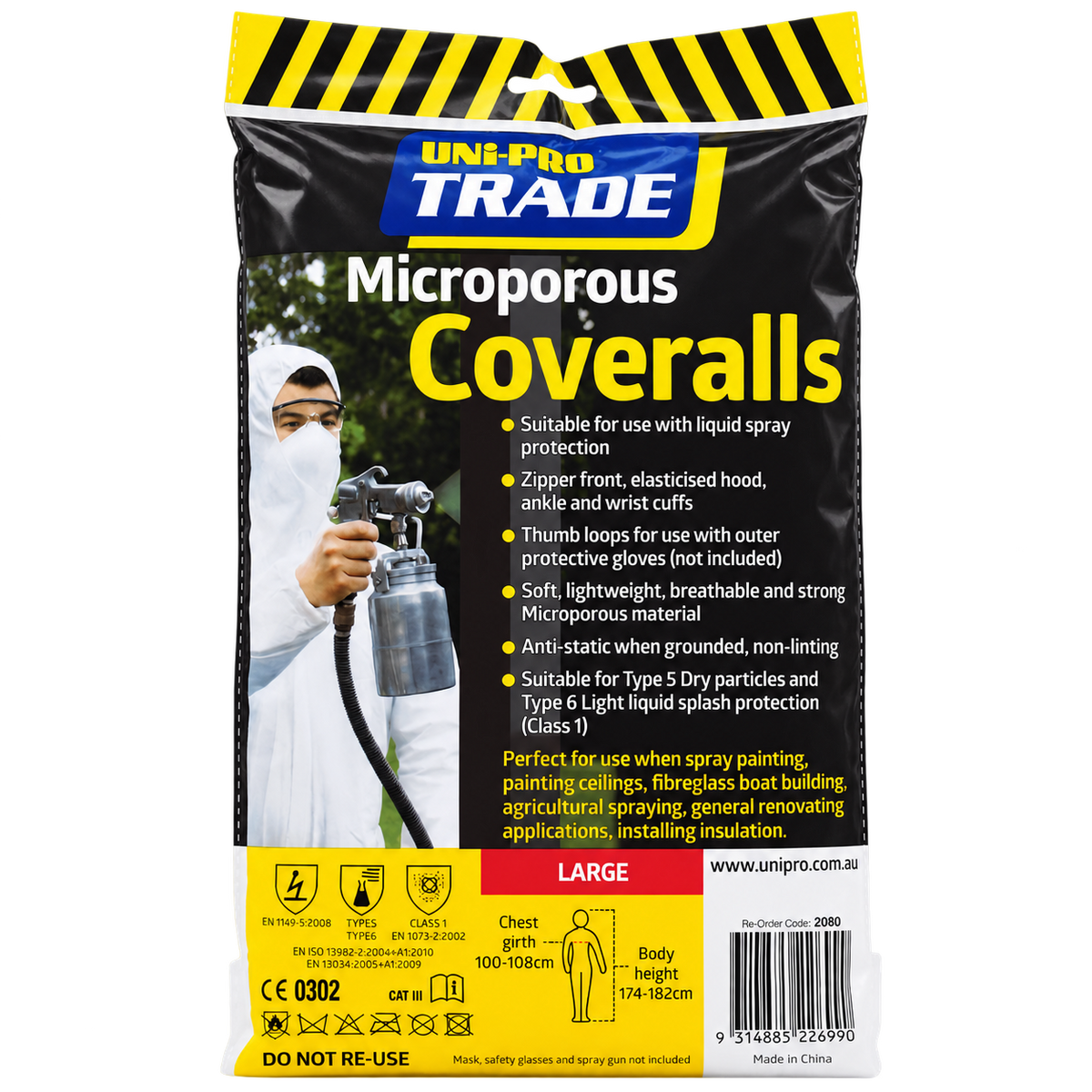
Uni-Pro supplies application tools and site consumables to the Australian trade: roller covers and frames, adjustable yoke frames, trays and tray liners, filling blades, paint can and drum openers, wire brush and scraper sets, trade rags, sugar soap and marine anti-fouling kits. On a waterproofing job the applicator matters as much as the coating, because the nap and the frame decide how evenly a membrane lays down and how well it works into corners, junctions and penetrations. We stock the Uni-Pro range so applicators and consumables can be ordered on the same job as the membranes, primers, sealants and adhesives they are used with.



















Final approval, fees, and late-payment policies are set by each provider. See provider T&Cs at checkout.
Common questions about choosing and using application tools on waterproofing jobs.
Still have questions?
Not sure which roller or applicator suits your coating? Ask our team.
Most liquid applied membranes use both. A brush is for cutting in at floor to wall junctions, around wastes and penetrations and into corners, where you often need to work the membrane into a bond breaker or reinforcing fabric. A roller then lays off the open field so the film stays even across the area. Follow the membrane manufacturer's instructions, as some products specify a particular applicator or an extra brushed pass at detail areas.
Heavier, high build membranes generally need a longer nap cover that can hold and release a thick film without dragging or tearing, while thin primers and sealers go down better with a shorter nap. Substrate texture matters too, so rough render, screed and concrete usually take more nap than a smooth sheet or board. Foam covers suit smooth decorative finishes rather than heavy membranes. The applicator a coating was tested with is normally named on its technical data sheet, so check there before you buy covers for the job.
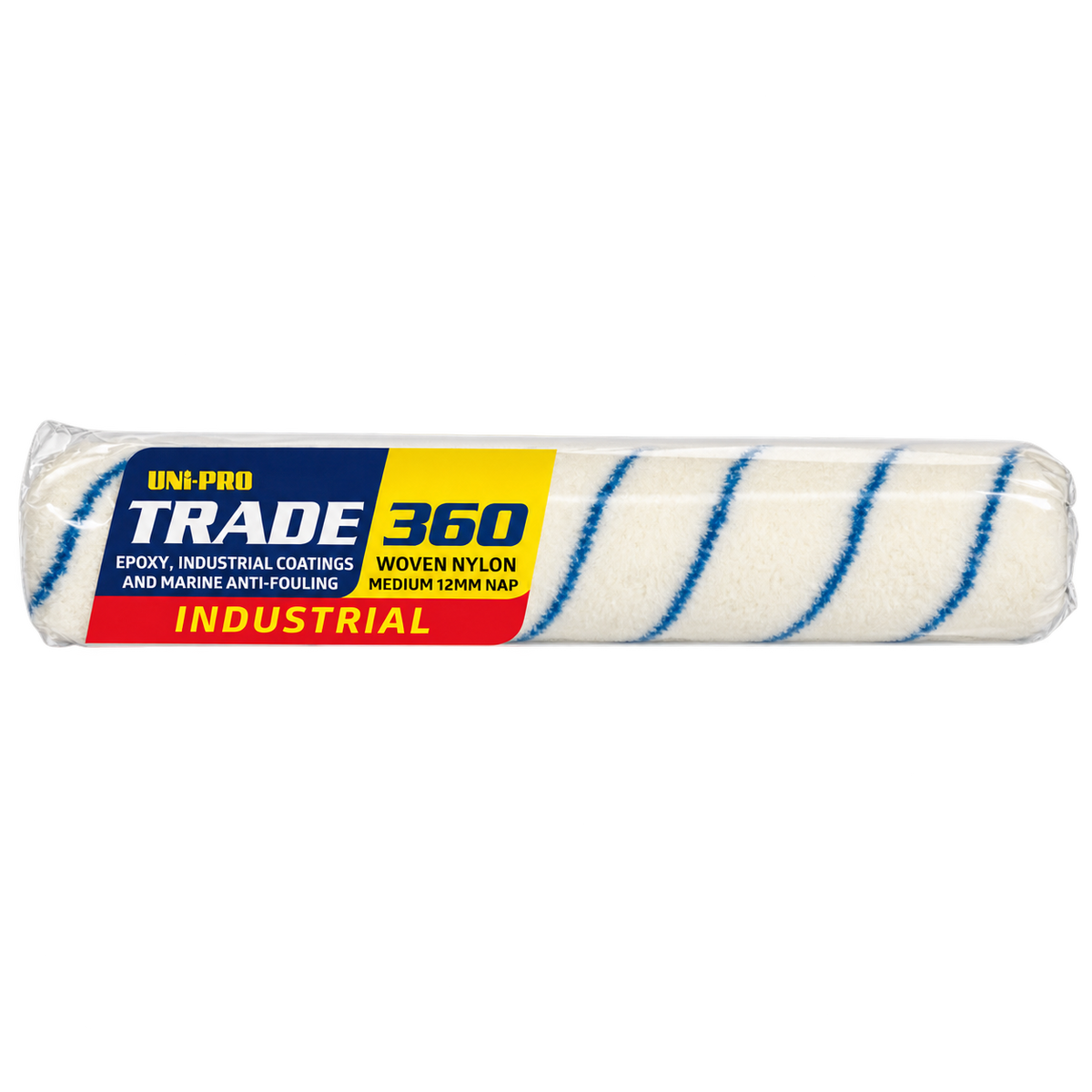
Yes, provided the applicator is suited to the chemistry you are applying. Solvent based coatings, epoxies and some polyurethanes can attack covers and filaments that were only intended for water based products, so choose a solvent resistant cover and frame for those jobs. The range includes an industrial epoxy roller intended for that kind of work, while standard synthetic covers suit water based membranes and primers. If you are unsure, check the coating manufacturer's guidance and treat the applicator as a consumable for that job.
Water based membranes, primers and paints wash out with water while the product is still wet. Work it right into the heel of the brush and through the ends of the roller cover until the water runs clear. Solvent based coatings, epoxies and polyurethanes need the cleaning solvent nominated by the coating manufacturer, and used covers, rags and waste must be handled and disposed of in line with the safety data sheet and local requirements. Once a membrane has cured into the filaments the tool is finished, so clean straight after use or plan to discard it.
A typical wet area kit is roller covers and frames for the open field, an adjustable yoke frame for working off an extension pole, a tray with liners, and filling blades for patching and bedding. Paint can openers and plastic drum openers let you open pails and drums cleanly without damaging lids or contaminating the product. Trade rags and sugar soap cover cleaning down and preparing surfaces before the coating goes on. For hull coating work, marine anti-fouling kits are part of the same range.
No. Waterproofing of domestic wet areas in Australia is governed by AS 3740, and wet area membranes are subject to WaterMark certification under the NCC, but those requirements apply to the membrane system and its installation rather than to the brush, roller or tray used to apply it. What the tool does affect is workmanship, which means an even, continuous film applied the way the membrane manufacturer specifies. Always check the certification of the membrane itself for the application you are using it in.
The Uni-Pro range is available through The Waterproofing Shop, stocked alongside the membranes, primers, sealants and adhesives the tools are used to apply. That means the roller covers and frames, yoke frames, trays and filling blades for a wet area can go on the same order as the coating, so the applicator is matched to the product instead of being guessed at on site. The range also includes an industrial epoxy roller for solvent based coatings, plus can and drum openers, trade rags and sugar soap for site clean up.