


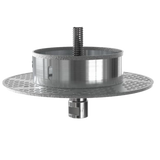


Why Recessing Puddle Flanges Matters
Recessing puddle flanges is not optional — it’s critical for:
- Preventing water pooling around outlets
- Ensuring proper membrane termination
- Achieving compliance with AS3740 and NCC requirements
- Eliminating lip build-up that causes drainage issues
A poorly recessed flange leads to:
- Membrane failure
- Ponding water
- Tile lifting over time
Traditional Method vs Modern Recess Kits
Old Method (Common Issues)
- Grinder + freehand cutting
- Dust-heavy process
- Inconsistent depth
- Risk of oversizing the hole
- Time: 20–40 minutes per flange
New Method (Recess Kits)
- Controlled cutting depth
- Clean circular recess
- Dust-reduced operation
- Perfect fit for flange every time
- Time: under 6 minutes
Fastest Way to Recess Puddle Flanges (Under 6 Minutes)
Using a 230mm Concrete Puddle Flange Recess Kit, the process becomes repeatable and fast.
What’s Included
- 230mm dust shroud
- Aluminium cutting ring
- 230mm dual concrete recess disc
Step-by-Step Installation Process
1. Setup
- Connect dust extraction system
- Ensure grinder is compatible
- Mark center point of waste outlet
2. Pre-Preparation
- Inspect slab for cracks
- Ensure pipe is fixed and stable
- Remove loose debris
3. Recess Cutting
- Place tool flat on surface
- Apply even pressure
- Maintain full contact with slab
- Let the blade do the work (do not force)
Result:
- Uniform depth
- Clean circular recess
- No edge breakout
4. Check Fitment
- Dry-fit puddle flange
- Confirm flush finish with slab
- Adjust if required
5. Install Flange
- Apply primer + adhesive
- Install flange firmly
- Ensure full contact with substrate

Recessing in FC Sheeting (Fibre Cement)
The process differs slightly when working on FC flooring.
230mm Dual FC Sheeting Kit
Designed specifically for:
- CFC flooring
- Pre-installed 100mm pipes
- Clean, dust-controlled recessing
Advantages
- No cracking of sheet
- Controlled depth
- Eliminates guesswork
One Tool, One Job – Why It Matters
Using a dedicated recess system:
- Removes variability between installers
- Speeds up install time significantly
- Reduces callbacks and defects
- Ensures compliance every time
Why These Tools Are Used on Site
- Sold out multiple times due to demand
- Used by waterproofers, plumbers, tilers
- Consistent results across all substrates
Common Mistakes to Avoid
- Cutting too deep → weakens slab
- Oversized recess → flange movement
- No dust control → poor visibility
- Skipping dry fit → misalignment
Best Practice for Waterproofing Integration
After recessing:
- Prime substrate
- Install flange with sealant
- Apply membrane over flange
- Reinforce with bandage if required
This ensures:
- Full system integrity
- No weak points at penetrations
Where to Use These Recess Kits
- Bathrooms
- Balconies
- Podium slabs
- Commercial wet areas
- Residential wet areas
Final Takeaway
If you’re still using grinders freehand:
- You’re losing time
- You’re risking defects
- You’re not getting consistent results
Using a dedicated puddle flange recess kit turns a variable process into a controlled system.
